


Summer School 2026!

The third edition of the TALLHEDA Summer School brought students, researchers, and industry experts together in Novi Sad, Serbia, for four intensive days of lectures, site visits, and hands-on exposure to the technologies shaping the future of digital agriculture. Hosted by the University of Novi Sad Faculty of Agriculture (UNSFA), the programme ran from Tuesday, 15 to Friday, 18 September, and combined academic depth with real-world immersion across some of the region's leading agri-tech facilities.
Day One: Setting the Scientific Foundation
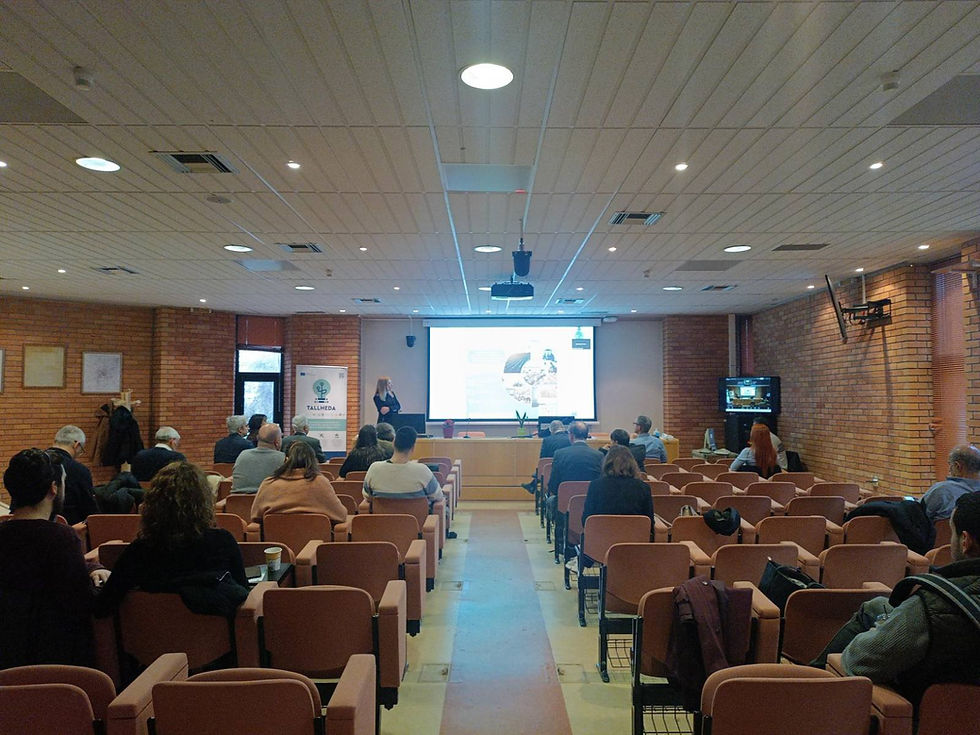
The school opened at UNSFA with welcome remarks from Serbian and Greek partner representatives, followed by a full day of talks addressing the core challenges and opportunities in agricultural research and education. Prof. Branko Ćupina opened proceedings with a look at the broader research landscape, while Prof. Branislava Lalić examined how climate-induced shifts in seasonality are reshaping ecosystem responses.
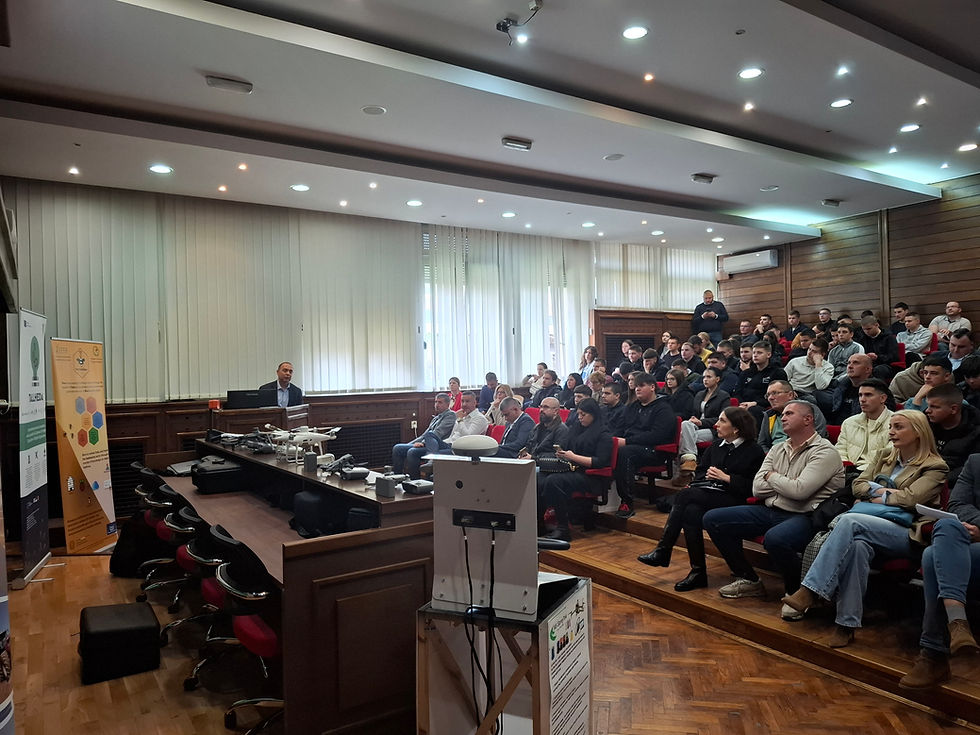
The afternoon turned toward precision technologies: Prof. Aleksandar Sedlar presented remote monitoring solutions for more efficient pesticide application in wheat protection, Lazar Turšijan explored drone and autopilot navigation in modern farming, and Prof. Vladimir Ćirić introduced the PerfectCorn startup's satellite-to-ground-truth AI workflow for regional soil assessment. The day closed with sessions on variable-rate fertilization, unmanned aerial vehicle remote sensing by Prof. Pavel Benka, and a striking example of applied computer vision: automatic counting of yellow mealworm larvae, presented by Nikola Santrač.
Day Two: Inside TERRA
Participants travelled by bus to TERRA, where a facility tour and presentation gave first-hand insight into applied research infrastructure. The day continued with in-depth presentations from UNSFA researchers Stamenković and Kešelj on digital agriculture, followed by a session on food safety and health (FSH), before the group transferred back to UNSFA in the early evening.
Day Three: Institutes and Innovation
The third day took participants to the Biosense Institute for a presentation on its research programme, followed by a visit to the experimental station in Sremski Karlovci. In the afternoon, the group visited the Institute for Artificial Intelligence Research and Development of Serbia, where Director Dr. Vladimir Udovičić introduced the institute's work, and researchers Dr. Luka Vinokić and Dr. Marko Pavlović / Dr. Karlo Balla presented their work on Green AI and visual computing and perception, respectively. The day wrapped up with a social dinner, giving participants a chance to connect informally after an intensive schedule.
Day Four: LoginEKO and Closing
The final day was dedicated to LoginEKO, with an extended tour of the facility split across the morning, followed by a closing lunch and the transfer back to UNSFA to conclude the summer school.
A Model for Cross-Border Learning
Now in its third edition, the TALLHEDA Summer School continues to demonstrate the value of bringing together researchers, students, and industry from across partner countries to explore digital agriculture from multiple angles — from remote sensing and AI to precision farming and applied robotics. By pairing academic lectures with visits to leading research institutes and companies, the programme gives participants a rounded picture of how digital transformation is unfolding in agricultural practice today.
The Novi Sad edition reinforces TALLHEDA's broader mission: building lasting alliances between higher education institutions to expand access to excellence in digital agriculture across Europe.
The presentations will be uploaded soon, so stay tuned!

Comments